
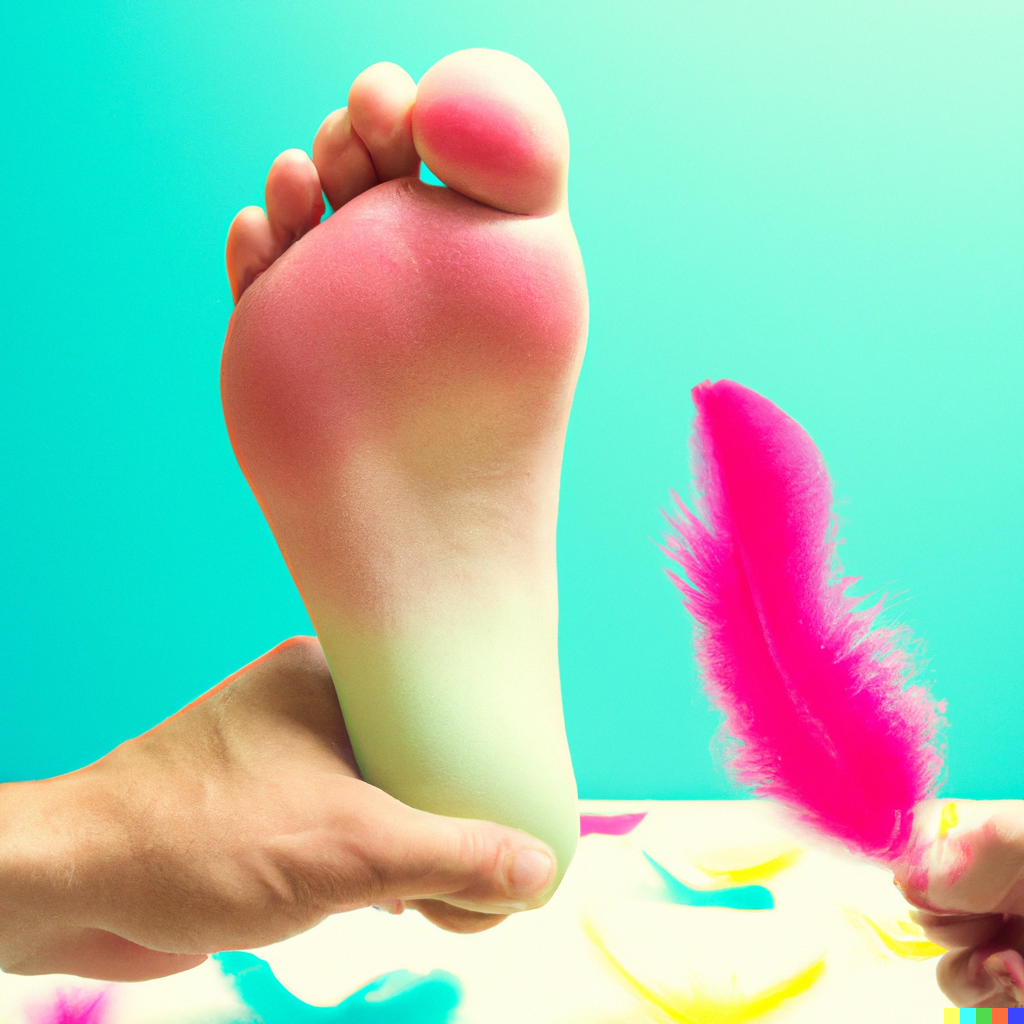
Why are people afraid of tickle?
There are several reasons why some people might be afraid of tickling. One reason could be a fear of being out of control or feeling vulnerable. When someone is tickled, they may feel like they can’t stop the sensation or escape it, which can be unsettling or even frightening for some people. Tickling can also trigger a physical response in the body, such as laughing or writhing, which some people might find uncomfortable or embarrassing. Additionally, some people may have had negative experiences with tickling in the past, such as being tickled against their will or in a way that was overly aggressive or painful, which could lead to a fear of tickling.
Why tickling triggers laughing?
Tickling triggers a reflexive response in the body that causes laughing and other physical reactions, such as squirming or writhing. When someone is tickled, nerve fibers in the skin are stimulated, which sends signals to the brain through the spinal cord. The brain interprets these signals as a form of touch, but the sensation of tickling is unique because it is difficult to predict when or where it will happen. This uncertainty can activate the brain’s “defense system,” causing a reflexive response such as laughing or squirming in an attempt to remove the source of the tickling.
The act of tickling is also thought to release endorphins, which are chemicals that act as natural painkillers and can produce feelings of pleasure and happiness. These endorphins may contribute to the laughter and positive feelings that often accompany tickling. However, not everyone finds tickling to be a pleasurable experience, and some people may find it uncomfortable or even painful.


