
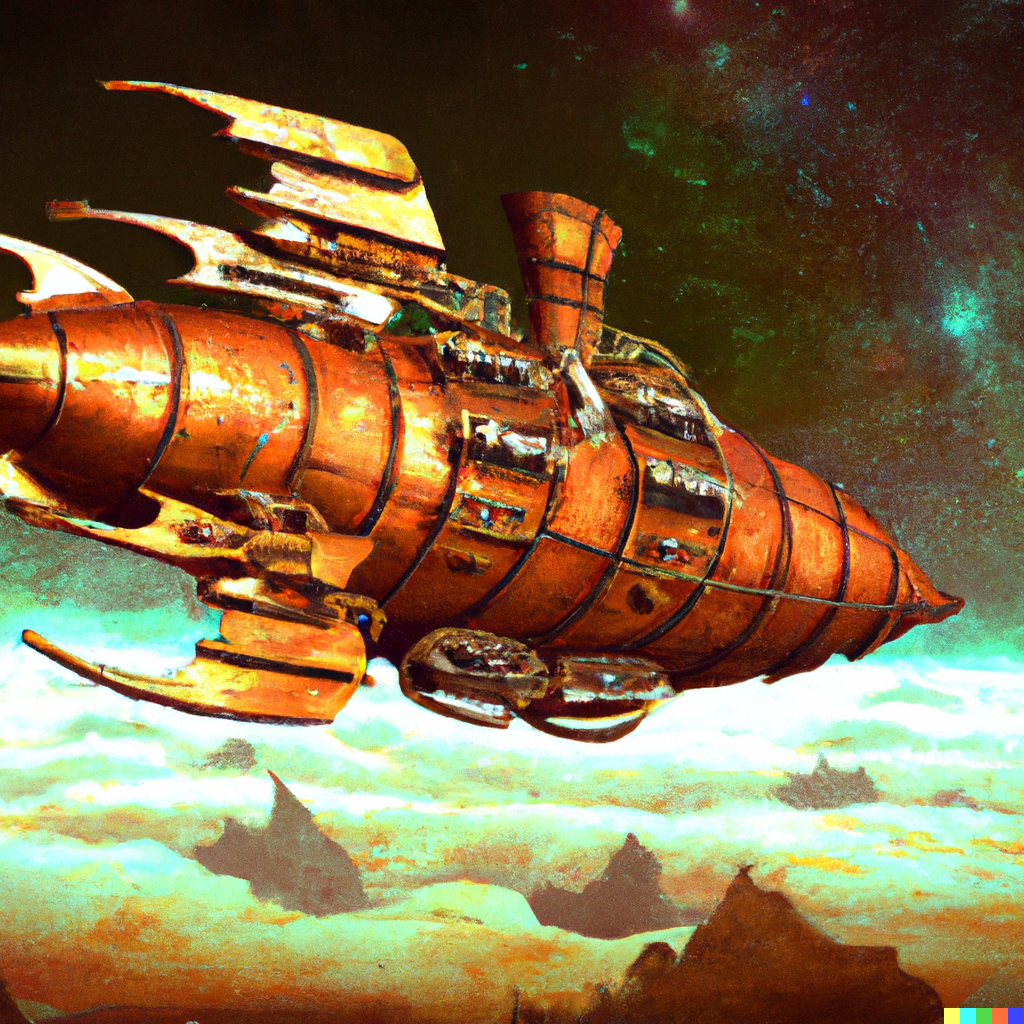
Is it possible to travel faster than light?
As far as we currently know, it is not possible to travel faster than light. The speed of light is a fundamental barrier that cannot be surpassed. This is because the laws of physics break down at the speed of light, and it would require an infinite amount of energy to accelerate an object to the speed of light. In fact, the concept of time itself becomes meaningless at the speed of light. However, it is possible to travel at speeds that are very close to the speed of light, and there are some strange phenomena that can occur when objects are moving at very high speeds, such as time dilation and length contraction.
Are there any theories, which state that it is possible to travel faster than light?
There are some theories in physics that suggest the possibility of faster-than-light travel or communication, but they are still highly speculative and unproven. One example is the concept of wormholes, which are theoretical “shortcuts” through space-time that could potentially allow matter or information to travel from one point to another in a very short amount of time. However, the existence of wormholes has not been confirmed, and it is not clear if they could be used for travel or communication even if they do exist. Another example is the idea of “dark flow,” which is the observed movement of galaxy clusters in a particular direction that cannot be explained by the known distribution of matter in the universe. Some scientists have suggested that this could be evidence of the existence of “dark corridors” or other structures that could allow for faster-than-light travel, but this idea is also highly speculative and has not been proven. In general, the idea of faster-than-light travel or communication is a topic of much research and debate in the field of physics, but it is important to note that these ideas are still very much in the realm of speculation and are not yet supported by concrete evidence.
What would be the simple definition of the wormholes?
A wormhole is a hypothetical passage through space-time that would allow matter or information to travel from one point in the universe to another almost instantaneously. It is sometimes referred to as an “Einstein-Rosen bridge,” because it was first proposed by Albert Einstein and his colleague Nathan Rosen as a solution to the equations of general relativity. The idea is that a wormhole could potentially be used as a “shortcut” through space-time, allowing objects or information to travel vast distances in a very short period of time. However, the existence of wormholes is still purely theoretical, and it is not yet known if they are possible or if they could be used for travel or communication.


