
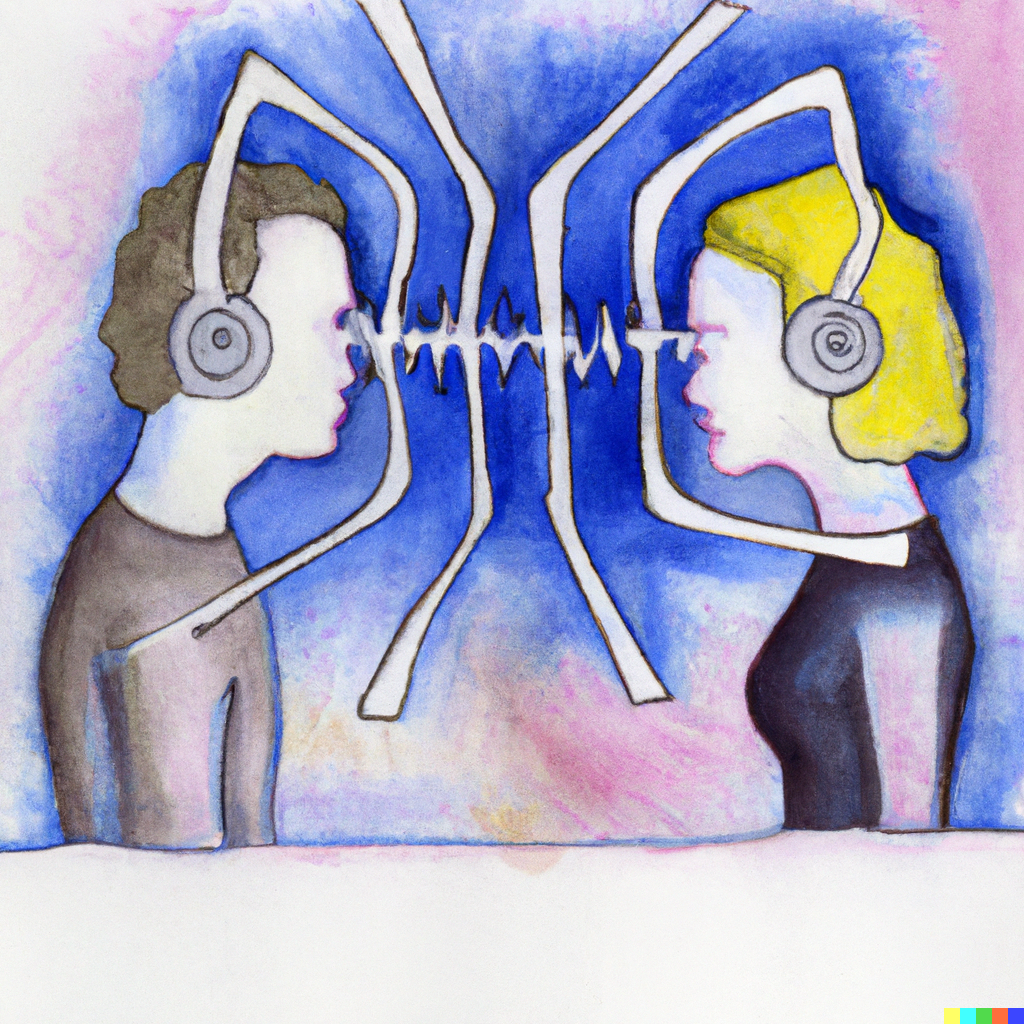
What can replace smartphones in the future?
It’s difficult to predict exactly what will replace smartphones in the future, as technology is constantly evolving, and new products and innovations can emerge quickly. However, some possible alternatives to smartphones that are currently being developed or discussed in the tech industry include wearable devices, such as smartwatches and smart glasses, and handheld devices that use virtual or augmented reality technology. Other possibilities include fully immersive virtual reality devices or devices that rely on other means of communication, such as brain-computer interfaces.
Can you give more information about brain-computer interfaces?
Brain-computer interfaces (BCIs) are technologies that allow individuals to communicate or control devices using only their thoughts. They work by measuring brain activity and translating it into commands that can be used to operate computers, robots, or other devices. BCIs have the potential to revolutionize the way we interact with technology and could be used to help people with disabilities or paralysis to communicate or control devices. BCIs are still in the early stages of development and are not yet widely available, but researchers are actively working on improving and refining the technology. Some challenges that need to be overcome before BCIs can be more widely adopted include developing more sophisticated brain-reading algorithms and finding ways to make the devices more practical and user-friendly.
How brain-computer interfaces can replace smartphones?
It’s possible that brain-computer interfaces (BCIs) could be used as an alternative to smartphones or other handheld devices in the future. By allowing users to communicate or control devices simply by thinking, BCIs could potentially make it easier and more convenient to interact with technology. For example, instead of having to use your hands to type on a keyboard or touch a screen, you could use your thoughts to send messages, make phone calls, or access information. BCIs could also be used to control other devices, such as home appliances or vehicles, making them a potentially powerful tool for both personal and industrial applications. However, it’s important to note that BCIs are still in the early stages of development and are not yet widely available, so it will likely be some time before they are able to fully replace smartphones or other devices.
Based on the speed how technologies are developing, when brain-computer interfaces can replace smartphones?
It’s difficult to predict exactly when brain-computer interfaces (BCIs) will be able to fully replace smartphones or other devices, as the technology is still in the early stages of development and there are many challenges that need to be overcome. Some of the main challenges that researchers are working on include developing more sophisticated brain-reading algorithms, making the devices more practical and user-friendly, and finding ways to ensure the privacy and security of users’ brain activity data. Additionally, BCIs will need to be tested and approved by regulatory agencies before they can be widely used, which could take some time. So, while it’s possible that BCIs could become a viable alternative to smartphones or other devices at some point in the future, it’s hard to say exactly when that will happen.


